


What is Rubber Gasket
A rubber gasket is a flexible seal that is used to prevent leaks and fill gaps between two surfaces. Rubber gaskets can be made of natural or synthetic rubber, and can have different shapes, sizes, and thicknesses. Rubber gaskets are widely used in various industries, such as automotive, plumbing, aerospace, and medical.
Advantages of Rubber Gasket
Good sealing performance
One of the main advantages of rubber gaskets is their excellent sealing performance. They create a tight seal between two surfaces, preventing leakage of liquid or gas. Rubber gaskets provide reliable sealing in piping systems, machinery, automotive engines and other applications where leak-proof connections are required.
Flexibility
Rubber gaskets are highly flexible and can adapt to the shape of their sealing surfaces. This flexibility allows them to fill irregular and smaller gaps, ensuring proper sealing even in applications with uneven surfaces.
Chemical Resistance
Rubber gaskets are resistant to a wide range of chemicals, making them suitable for industrial and chemical processing applications. They can withstand exposure to acids, alkalis, solvents and other substances without degradation or loss of their sealing properties.
Cost-Effectiveness
Rubber gaskets are relatively inexpensive compared to other types of seals. Their low cost makes them a cost-effective solution for many applications, especially in industries where large quantities of gaskets are required.
Easy to install
Rubber gaskets are generally easy to install and can be quickly and easily replaced when necessary. They often come with a self-adhesive backing or can be attached with screws or bolts, making the installation process simple.
Noise Reduction
Rubber gaskets help reduce noise and vibration in machinery and piping systems. Their flexibility and compressibility absorb shock and minimize the transmission of sound, creating a quieter operating environment.
Durability
Rubber gaskets are known for their durability and long service life. If properly selected and installed, rubber gaskets can provide reliable performance over the long term, reducing the need for frequent replacement.
Versatility
Rubber gaskets are available in a variety of sizes, shapes and materials to suit different applications. They can be customized to meet specific requirements, making them suitable for a wide range of industries and uses.


Why Choose Us
One-stop solution
We can offer a range of services, from consultation and advice to product design and delivery. It is a convenience for the customers, as they can get all the help they need in one place.
Efficient and convenient
The company has established marketing networks around the world to provide high-quality services to customers in an efficient and convenient manner.
Competitive Prices
We offer our products at competitive prices, making them affordable for our customers. We believe that high-quality products should not come at a premium, and we strive to make our products accessible to all.
High quality products
We always put customer needs and expectations in the first place, refine on, continuous improvement, to seek every opportunity to do better, to provide customers with their expectations of quality products, to provide customers with the most satisfactory service at anytime.
Professional team
We have a team of skilled and experienced professionals who are well-versed in the latest technology and industry standards. Our team is dedicated to ensuring that our customers get the best service and support possible.
Rich experience
Has a long-standing reputation in the industry, which makes it stand out from its competitors. With over many years of experience, they have developed the skills necessary to meet their clients' needs.

Rubber gaskets work by creating a seal between two surfaces. They are made of a compressible rubber material that deforms under pressure to fill any gaps or irregularities between the surfaces. When compressed, the rubber gasket undergoes a permanent deformation, conforming to the surfaces it seals. The rubber's elasticity allows it to recover and maintain its sealing properties, even under changing temperatures and pressures. Rubber gaskets are designed to withstand wear and tear, chemical corrosion, and various environmental conditions, making them a versatile sealing solution for various applications.
What Are Rubber Gaskets Used For
Rubber gaskets are sealing devices that are commonly used in mechanical applications to prevent the leakage of fluids or gases between two joining surfaces. They are made of durable and flexible rubber material that can be easily molded into different shapes and sizes to fit different types of applications. Rubber gaskets are widely used in various industries such as automotive, construction, manufacturing, and plumbing.
One of the primary uses of rubber gaskets is in the plumbing industry. They are used to create a watertight seal between pipes, fittings, and other plumbing components. Rubber gaskets are used in faucets, toilets, and other plumbing fixtures to prevent the leakage of water. They are also used in water heaters, water pumps, and other industrial applications that require the sealing of fluids.
Another important use of rubber gaskets is in the automotive industry. They are used in engines, transmissions, differentials, and other automotive components to prevent the leakage of fluids such as oil, coolant, and brake fluid. Rubber gaskets are also used in car doors, windows, and other body parts to create a watertight seal and prevent the entry of moisture and air.
Rubber gaskets are also used in the construction industry. They are used in doors, windows, and other building components to create a watertight seal and prevent the entry of moisture and air. Rubber gaskets are also used in roofing systems, HVAC systems, and other building components that require sealing.
In addition to their sealing abilities, rubber gaskets also provide cushioning and vibration damping properties. This makes them ideal for use in applications where there is a risk of vibration or impact. Rubber gaskets are also resistant to abrasions, tears, and punctures, making them durable and long-lasting.
Rubber gaskets are essential components in many industries due to their versatility, durability, and flexibility. They are used to create a watertight seal between two joining surfaces, prevent the leakage of fluids or gases, and provide cushioning and vibration damping properties. The use of rubber gaskets ensures the proper functioning of mechanical components and prevents damage and maintenance costs associated with leakage and seepage.
A rubber gasket is typically made through the process of molding. The process involves creating a mold in the shape of the desired gasket, then injecting a liquid rubber material into the mold. The rubber is then allowed to cure, either by heating or exposure to light, until it becomes solid and retains the shape of the mold. After the curing process, the gasket is then removed from the mold and any excess material is trimmed away. The gasket may undergo further processing, such as coating or treating, to enhance its performance characteristics.

What Is the Primary Function of a Rubber Gasket
The primary function of a rubber gasket is to create a seal between two surfaces to prevent the leakage of fluids or gases. Rubber gaskets are commonly used in a variety of applications where a tight and leak-proof connection is needed.
Rubber gaskets act as a barrier by filling the gap between two mating surfaces. When pressure is applied, the gasket compresses and fills in the irregularities on the surfaces, forming a seal that prevents the passage of fluids or gases.
Rubber gaskets are used in piping systems, machinery, automotive engines, valves, pumps, and many other industrial and mechanical applications. Their sealing properties help maintain the integrity of systems, prevent fluid leakage, and ensure the efficient operation of equipment.
In addition to providing a seal, rubber gaskets can also offer other functions such as vibration damping, insulation, and protection against dust, moisture, and noise. The specific properties and uses of rubber gaskets may vary depending on the application and the requirements of the system in which they are employed.
The primary function of a rubber gasket is to create a reliable seal, preventing leaks and ensuring the proper functioning of machinery and systems.

Can Rubber Gaskets Be Custom-Made
Rubber gaskets can be custom-made to meet specific requirements or applications. Custom-made gaskets can be produced in a variety of shapes, sizes, and materials to suit unique sealing requirements.
Custom gaskets can be made through a process similar to that used for standard gaskets. The process typically starts with the creation of a custom mold that matches the dimensions and shape of the desired gasket. The mold is then filled with liquid rubber material, which is cured until it becomes solid and retains the shape of the mold. The cured gasket is then removed from the mold and any excess material is trimmed away.
Custom-made rubber gaskets can be produced in a variety of materials to meet specific performance requirements. For example, if a gasket needs to be resistant to high temperatures, a material like silicone may be used. If the gasket needs to be resistant to chemicals, a material like Viton may be used.
Custom-made gaskets can be beneficial in many applications, particularly when standard gaskets do not meet the specific requirements of the sealing environment. Custom gaskets can be designed to match the precise dimensions of the mating surfaces, which can improve the effectiveness of the seal and reduce the risk of leaks.
Custom-made rubber gaskets can provide a tailored solution for unique sealing requirements, and are a valuable option when standard gaskets are not sufficient.
How Do You Install a Rubber Gasket Properly
Clean the mating surfaces
Before installing the gasket, clean the mating surfaces to remove any dirt, oil, or other contaminants that could affect the seal. Use a clean cloth or a non-abrasive cleaner to wipe away any debris.
Check the gasket for damage
Inspect the gasket for any tears, cuts, or other signs of damage. If the gasket is damaged, it should be replaced.
Position the gasket
Place the gasket in the proper position on the mating surface. Make sure that the gasket is centered and aligned properly.
Hand-tighten the fasteners
Hand-tighten the fasteners that hold the mating surfaces together. This will help to avoid distortion of the gasket during the installation process.
Torque the fasteners
Using a torque wrench, tighten the fasteners to the specified torque requirements. This will ensure that the gasket is compressed evenly and creates a proper seal.
Check for leaks
After installation, check the system for leaks. If there are any leaks, check the fasteners to make sure they are tight and check the gasket for any damage.
A rubber gasket can be recycled. The process of recycling rubber gaskets involves shredding or grinding the gaskets into small pieces, which can then be reprocessed and molded into new rubber products. Another recycling option is to recover the rubber through pyrolysis, a process that involves heating the rubber in the absence of oxygen to break it down into smaller molecules that can be used as fuels or feedstocks for other chemical processes. However, it is important to note that the recyclability of rubber gaskets can be influenced by various factors, including the type of rubber used, any additives present, and the condition of the gasket upon removal.

How Do You Clean a Rubber Gasket Properly
Remove any visible debris
Use a clean cloth or a brush to remove any visible dirt, oil, or other debris from the surface of the gasket.
Apply a cleaning solution
Depending on the type of contamination on the gasket, you may need to use a specialized cleaning solution. For general cleaning, you can use a mild detergent mixed with water. Apply the solution to the gasket using a soft cloth or sponge.
Rinse the gasket
Once the cleaning solution has been applied, rinse the gasket thoroughly with water to remove any remaining soap residue.
Dry the gasket
Use a clean towel or cloth to dry the gasket completely. Moisture can cause the gasket to swell or distort, so it's important to make sure it's completely dry before reinstalling it.
How to Know What Size Gasket Is Needed
Measure the flange diameter
The first step in determining the size of a gasket is to measure the outside diameter (OD) of the flange or component that the gasket will be installed on. This measurement will typically be specified in inches or millimeters, and it will help you determine the overall size of the gasket.
Measure the flange bolt spacing
The bolt spacing or bolt circle diameter is another important measurement to consider when determining the size of a gasket. This measurement represents the distance between the center of each bolt hole on the flange, and it will help you determine the pattern and size of the gasket.
Determine the gasket material
The material of the gasket will depend on the specific application and the pressure and temperature requirements of the system. Different gasket materials have different properties and characteristics, so it's important to select the appropriate material for your specific application.
Check the manufacturer's specifications
If you are replacing an existing gasket, it's a good idea to check the manufacturer's specifications to determine the correct size and material for the new gasket. This will help ensure that the new gasket is compatible with the system and will provide the proper level of sealing performance.
Consult with a qualified technician
If you are unsure about the size or material of the gasket you need, it's always a good idea to consult with a qualified technician or the manufacturer. They can provide guidance and recommendations based on their expertise and experience, helping you to select the appropriate gasket for your specific application.
Our Factory
Haining JINYI Door&Window Accessories Co,Ltd. is located in Nantong City, Jiangsu Province.The area is conveniently located close to the metropolis of Shanghai, and the surrounding expressways are very convenient.


Certifications

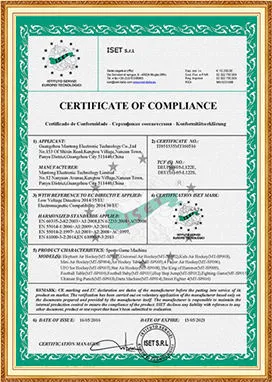


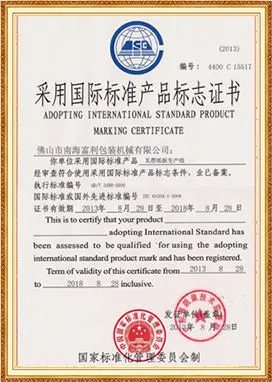
FAQ
As one of the most professional rubber gasket manufacturers in China, we're featured by quality products and good service. Please rest assured to wholesale rubber gasket in stock here and get pricelist from our factory. For customization service, contact us now.
EPDM Rubber Gasket, Article Industrial Brush Bottom Door Sealing Brush H Type F Type Brush Strip, Anti Dust Puffy Weather Strip