


What is Weather Strip
Weather strip is a material that is used to seal gaps and prevent air leakage around windows and doors. It can help improve the energy efficiency and comfort of a building by reducing heat loss and drafts. Weather strip can be made of various materials, such as rubber, foam, vinyl, metal, or felt, and can be applied to different parts of the window or door frame.
Advantages of Weather Strip
Waterproofing
Weather stripping prevents water infiltration, keeping moisture out of buildings and reducing the risk of water damage to walls, ceilings, and other interior surfaces. It seals gaps around windows, doors, and other openings to prevent leaks and promote a dry indoor environment.
Airtightness
Weather stripping helps create an airtight seal, enhancing the energy efficiency of buildings. By reducing air leakage, it helps maintain comfortable indoor temperatures, reduces heating and cooling costs, and improves indoor air quality.
Thermal Insulation
Weather stripping provides thermal insulation, helping to retain heat in cold climates and keep cool air in warm climates. It reduces heat transfer through windows, doors, and other building components, reducing energy usage and promoting a more comfortable indoor environment.
Sound Reduction
Weather stripping can help reduce noise infiltration, providing a quieter indoor environment. It absorbs sound waves and reduces exterior noise levels, such as traffic, construction, or aircraft noise, making it ideal for homes or offices located near busy streets or airports.
Enhanced Security
Some weather stripping products are designed to provide additional security to windows and doors. They can resist forced entry attempts and provide an extra layer of protection against burglary or vandalism.
Easy Installation
Weather stripping is often easy to install, making it a cost-effective and convenient solution for sealing building openings. It can be cut to size and installed using basic tools, reducing the need for professional installation or repair services.




Why Choose Us
One-stop solution
We can offer a range of services, from consultation and advice to product design and delivery. It is a convenience for the customers, as they can get all the help they need in one place.
Efficient and convenient
The company has established marketing networks around the world to provide high-quality services to customers in an efficient and convenient manner.
Competitive Prices
We offer our products at competitive prices, making them affordable for our customers. We believe that high-quality products should not come at a premium, and we strive to make our products accessible to all.
High quality products
We always put customer needs and expectations in the first place, refine on, continuous improvement, to seek every opportunity to do better, to provide customers with their expectations of quality products, to provide customers with the most satisfactory service at anytime.
Professional team
We have a team of skilled and experienced professionals who are well-versed in the latest technology and industry standards. Our team is dedicated to ensuring that our customers get the best service and support possible.
Rich experience
Has a long-standing reputation in the industry, which makes it stand out from its competitors. With over many years of experience, they have developed the skills necessary to meet their clients' needs.
Types of Weather Strip
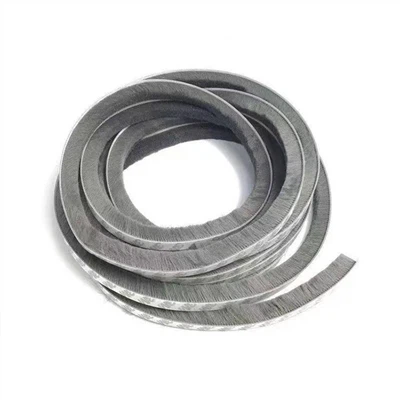
Brush Weather Stripping
This type of weather stripping is made from fibers that are bundled together to create a dense brush-like material. It is ideal for applications where a flexible and pliable seal is required. Brush weather stripping is commonly used on doors and windows to prevent drafts and insects from entering the building.
01
Foam Weather Stripping
Foam weather stripping is made from closed-cell foam material that provides a good barrier against air and water infiltration. It is available in various densities and thicknesses, making it suitable for different applications. Foam weather stripping is commonly used on doors, windows, and siding to create a tight seal.
02
Rubber Weather Stripping
Rubber weather stripping is made from natural or synthetic rubber material that provides a durable and flexible seal. It is ideal for applications where the weather stripping is exposed to extreme temperatures and conditions. Rubber weather stripping is commonly used on doors, windows, and gutters to prevent drafts and water infiltration.
03
Vinyl Weather Stripping
Vinyl weather stripping is made from flexible vinyl material that provides a good barrier against air and water infiltration. It is lightweight, easy to install, and available in various colors and styles. Vinyl weather stripping is commonly used on doors, windows, and siding to create a tight seal.
04
Metal Weather Stripping
Metal weather stripping is made from thin metal strips that provide a rigid and durable seal. It is ideal for applications where a more substantial barrier is required, such as on garage doors or industrial applications. Metal weather stripping is commonly used on doors, windows, and roofs to prevent drafts and water infiltration.
05
How Often Do Weather Strips Need to Be Replaced
Weather strips, also known as weather stripping, are an essential component of doors, windows, and other openings in buildings. They serve as a barrier that prevents air, water, insects, and other elements from entering a building. While weather strips are designed to last for a long time, they will eventually wear out and need to be replaced. In this article, we will discuss how often weather strips need to be replaced and what signs indicate that it is time to replace them.
The frequency of replacing weather strips depends on several factors, including the quality of the weather strip, the level of use, and the environmental conditions in which it is located. In general, weather strips should be inspected regularly and replaced when necessary to ensure optimal performance.
For most standard weather strips, the typical lifespan is between three to five years. However, this can vary depending on the specific type of weather strip and the conditions in which it is used. For example, weather strips located in harsh environments, such as those exposed to saltwater or extreme temperature fluctuations, may need to be replaced more frequently.
There are several signs that indicate that it is time to replace weather strips. One of the most common signs is when the weather strip no longer creates a proper seal. This can allow air, water, insects, and other elements to enter the building, reducing energy efficiency and potentially causing damage. Other signs include visible wear and tear, such as cracks, tears, or splits in the material, and a loss of elasticity or flexibility in the weather strip.
To extend the life of weather strips and ensure that they continue to perform optimally, regular inspection and maintenance are recommended. Inspecting weather strips regularly can help identify any potential issues before they become significant problems. Maintenance tasks, such as cleaning and lubricating the weather strip, can help prevent dirt and debris from accumulating and interfering with its effectiveness.
Weather strips are an essential component of doors, windows, and other openings in buildings, and replacing them when necessary is crucial to maintaining optimal performance. The frequency of replacement depends on several factors, including the quality of the weather strip, the level of use, and the environmental conditions in which it is located. Regular inspection and maintenance can help extend the life of weather strips and ensure that they continue to provide effective protection against air, water, insects, and other elements.
What Are the Sealing Strip Materials


EPDM Rubber
EPDM rubber is a synthetic rubber material that is known for its excellent weather resistance and durability. It is commonly used for sealing strips in applications where the sealing strip is exposed to outdoor weather conditions. EPDM rubber sealing strips are available in various colors, durometers, and thicknesses to accommodate different applications.
PVC Vinyl
PVC vinyl is a popular material used for sealing strips due to its flexibility, durability, and resistance to chemicals and moisture. PVC vinyl sealing strips are commonly used in applications where a more rigid seal is required, such as on windows and doors.
Neoprene
Neoprene is a synthetic rubber material that is known for its excellent resistance to oil, gasoline, and other chemicals. It is commonly used for sealing strips in applications where the sealing strip may come into contact with chemicals or where a high level of chemical resistance is required.
Silicone
Silicone is a versatile material that is known for its excellent temperature resistance and flexibility. It is commonly used for sealing strips in applications where the sealing strip may be exposed to extreme temperature fluctuations, such as on doors and windows.
Foam
Foam sealing strips are made from closed-cell foam material that provides a good barrier against air and water infiltration. They are lightweight, easy to install, and available in various densities and thicknesses to accommodate different applications.
Brush Material
Brush sealing strips are made from fibers that are bundled together to create a dense brush-like material. They are ideal for applications where a flexible and pliable seal is required, such as on doors and windows.

A weather strip is a sealing material that is installed around doors, windows, and other openings in a building to prevent air leaks. When outside air enters a building through cracks or gaps around doors and windows, it can cause the building to lose heat or cool air, depending on the climate. This can lead to increased energy consumption as the heating or cooling system has to work harder to maintain the desired indoor temperature.
Installing a weather strip can help prevent air leaks and improve energy efficiency by keeping the heated or cooled air inside the building. By creating a barrier that prevents air from entering or leaving the building, a weather strip can help reduce the energy required to heat or cool the building. As a result, the heating or cooling system does not have to work as hard, which can help save on energy costs.
Weather strips can help prevent drafts and improve indoor air quality by preventing outside air and pollutants from entering the building. This can create a more comfortable indoor environment and reduce the risk of health problems associated with poor indoor air quality.
Installing a weather strip can be an effective way to improve energy efficiency, save on energy costs, and create a more comfortable indoor environment.
How Do I Choose the Right Weather Strip for My Home
Determine the location
Consider the area of your home where you want to install the weather strip. Some weather strips are designed specifically for doors, while others are designed for windows. Make sure you select a weather strip that is suitable for the location you have in mind.
Consider the climate
If you live in a cold climate, you will want to choose a weather strip that is designed to keep the cold air out. On the other hand, if you live in a warm climate, you may want to choose a weather strip that helps keep the hot air out.
Determine the material
Weather strips are made from various materials, including rubber, foam, and vinyl. Consider the material that will work best for your needs. Rubber weather strips are durable and flexible, while foam weather strips are lightweight and easy to install. Vinyl weather strips are more rigid but can be more difficult to install.
Evaluate the size
Measure the door or window frame where you plan to install the weather strip. This will ensure that you select the correct size weather strip for your needs. Some weather strips are available in custom sizes, so you can find the perfect fit for your home.
Consider the cost
Weather strips can range in price depending on the material and quality. Determine your budget and select a weather strip that fits within your price range.
Read reviews
Before making a purchase, read customer reviews to see how others have rated the weather strip. This can give you an idea of the product's performance and any potential issues you may encounter.
How Do I Install a Weather Strip
Measure the door or window frame
Measure the door or window frame where you plan to install the weather strip. This will ensure that you select the correct size weather strip for your needs.
01
Prepare the surface
Clean the surface of the door or window frame where you plan to install the weather strip. This will ensure that the weather strip adheres properly to the surface.
02
Install the weather strip
Apply the weather strip to the surface of the door or window frame. Some weather strips come with adhesive backing, while others may require additional fasteners such as screws or nails. Follow the manufacturer's instructions for installation.
03
Test the installation
Once the weather strip is installed, test it by opening and closing the door or window. Make sure that the weather strip creates a seal and prevents any air leaks.
04
Clean up
TAfter the installation is complete, clean up any debris or excess material left over from the installation process.
05

What Is the Difference Between a Weather Strip and a Door Sweep
A weather strip and a door sweep are both sealing materials that are used to prevent air leaks in doors and windows, but they are used in different ways and have different purposes.
A weather strip is a flexible sealing material that is installed around the perimeter of a door or window frame to create a barrier that prevents air leaks. Weather strips can be made from various materials, including foam, rubber, and vinyl, and are available in different shapes and sizes to fit various door and window styles.
A door sweep is a sealing material that is attached to the bottom of a door to prevent drafts and insects from entering the home. Door sweeps are typically made from flexible materials such as rubber or vinyl and can be attached to the bottom of the door using adhesive or fasteners.
The main difference between a weather strip and a door sweep is the location where they are installed. Weather strips are installed around the perimeter of the door or window frame, while door sweeps are installed on the bottom of the door. Both weather strips and door sweeps are effective at preventing air leaks and improving energy efficiency in homes.

Can Weather Strips Be Used on Metal Doors or Windows
Weather strips can be used on metal doors or windows. Weather strips are designed to create a seal around doors and windows to prevent drafts, air leaks, and insects from entering the home. They are available in various materials, including foam, rubber, and vinyl, which can accommodate different types of doors and windows, including metal ones.
When selecting a weather strip for metal doors or windows, it is essential to choose a material that is compatible with the metal surface. Some weather strips may require additional fasteners such as screws or nails to ensure a secure attachment to the metal surface.
It is also important to ensure that the weather strip is the correct size and shape for the metal door or window to ensure a proper fit and create an effective seal.
Weather strips can be an effective solution for preventing drafts and improving energy efficiency in homes with metal doors or windows.

What Is the Best Way to Clean a Weather Strip
Foam weather strips can be cleaned with a damp cloth and mild soap. Avoid using harsh chemicals or solvents, as they can damage the foam material.
Rubber weather strips can be cleaned with a mixture of warm water and dish soap. Use a soft-bristled brush to remove any dirt or debris. Rinse the weather strip with clean water and allow it to dry completely before reinstalling it.
Vinyl weather strips can be cleaned with a damp cloth and mild soap. Avoid using abrasive cleansers or scrubbing brushes, as they can scratch the vinyl surface.
Our Factory
Haining JINYI Door&Window Accessories Co,Ltd. is located in Nantong City, Jiangsu Province.The area is conveniently located close to the metropolis of Shanghai, and the surrounding expressways are very convenient.


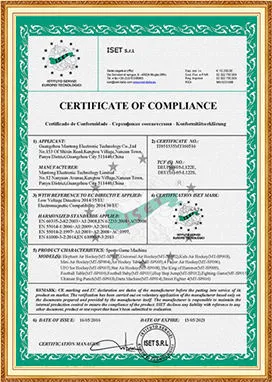
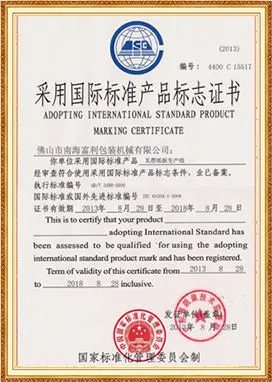
Certifications



FAQ
As one of the most professional weather strip manufacturers in China, we're featured by quality products and good service. Please rest assured to wholesale weather strip in stock here and get pricelist from our factory. For customization service, contact us now.
Silicone Weather Strip with Fin, Finned Pile Weatherstripping, Door Bottom Brush Seal