


What is PVC Rubber Gasket
A PVC rubber gasket is a type of sealing material made from a combination of polyvinyl chloride (PVC) and rubber. It is commonly used in various industries for sealing applications where resistance to chemicals, weathering, and temperature extremes is required.
Advantages of PVC Rubber Gasket
Versatile properties
PVC rubber gasket can be formulated to have a range of properties, including flexibility, durability, and resistance to chemicals, oils, and weathering. This versatility makes it suitable for use in various applications and environments.
Good sealing performance
The primary function of a gasket is to create a tight seal between two surfaces, preventing the leakage of fluids or gases. PVC rubber gasket is designed to provide a reliable seal, ensuring the integrity and efficiency of the system it is used in.
Chemical resistance
PVC rubber gasket exhibits good resistance to a wide range of chemicals. It can withstand exposure to substances such as acids, bases, oils, and solvents, without significant degradation or swelling. This chemical resistance makes it suitable for use in industrial and chemical processing applications.
Weather resistance
PVC rubber gasket can withstand exposure to outdoor elements, including sunlight, rain, and temperature variations. It remains flexible and functional in various weather conditions, making it suitable for applications in the automotive, construction, and outdoor equipment industries.
Cost-effective
Compared to other gasket materials, PVC rubber gasket offers a cost-effective solution. It provides good performance at an affordable price point, making it a popular choice in industries where cost considerations are important.
Easy installation and handling
PVC rubber gasket is relatively easy to install and handle. It can be cut to the desired size and shape, and it adheres well to surfaces when properly compressed. The ease of installation and handling contribute to efficient assembly and maintenance processes.


Why Choose Us
One-stop solution
We can offer a range of services, from consultation and advice to product design and delivery. It is a convenience for the customers, as they can get all the help they need in one place.
Efficient and convenient
The company has established marketing networks around the world to provide high-quality services to customers in an efficient and convenient manner.
Competitive Prices
We offer our products at competitive prices, making them affordable for our customers. We believe that high-quality products should not come at a premium, and we strive to make our products accessible to all.
High quality products
We always put customer needs and expectations in the first place, refine on, continuous improvement, to seek every opportunity to do better, to provide customers with their expectations of quality products, to provide customers with the most satisfactory service at anytime.
Professional team
We have a team of skilled and experienced professionals who are well-versed in the latest technology and industry standards. Our team is dedicated to ensuring that our customers get the best service and support possible.
Rich experience
Has a long-standing reputation in the industry, which makes it stand out from its competitors. With over many years of experience, they have developed the skills necessary to meet their clients' needs.
What Is the Chemical Composition Of PVC Rubber Used for Gasket Production


Polyvinyl chloride (PVC)
This is the main component of PVC rubber. PVC is a synthetic polymer that provides the basic properties and characteristics of the rubber.
Plasticizers
Plasticizers are added to PVC rubber to increase its flexibility and softness. Common plasticizers used in PVC include phthalates, adipates, and citrates.
Fillers
Fillers are often incorporated into PVC rubber to modify its properties, enhance stiffness, reduce cost, or improve processing characteristics. Common fillers include calcium carbonate, talc, and clay.
Stabilizers
Stabilizers are added to PVC rubber to protect it from heat, light, and oxidative degradation. They help prevent the rubber from discoloration, cracking, or losing its properties over time. Common stabilizers include lead salts, organotin compounds, and calcium/zinc stabilizers.
Lubricants
Lubricants are used in PVC rubber to improve its processing characteristics and reduce friction during molding or extrusion. Lubricants can include wax, fatty acids, or silicone-based compounds.
Pigments and Additives
Pigments are sometimes added to PVC rubber to achieve desired colors. Additionally, other additives such as antioxidants, UV stabilizers, and flame retardants may be included depending on the specific application requirements.
How is PVC Rubber Gasket Produced
Compound preparation
The desired ingredients, including PVC resin, plasticizers, fillers, stabilizers, and other additives, are precisely weighed and mixed together to form a uniform rubber compound.
Molding
The rubber compound is processed into the desired gasket shape using various molding techniques. This can include injection molding, compression molding, transfer molding, or extrusion. The molding process depends on the complexity and size of the gasket.
Curing
After molding, the gasket is typically subjected to a curing process. This involves heating the gasket at a specific temperature and for a certain duration to activate the curing reaction and crosslink the PVC molecules, resulting in a solid and durable gasket.
Finishing
Once cured, the gasket may undergo additional processing steps such as trimming, grinding, or smoothing to achieve the desired final dimensions, surface finish, and appearance.
Quality control
Throughout the production process, quality control measures are implemented to ensure the gasket meets the specified standards and requirements. This can include dimensional checks, visual inspections, and performance tests.
Packaging and shipping
The finished PVC rubber gaskets are packaged appropriately to protect them during transportation and storage. They are then ready for distribution to customers or for use in various applications.
What Are the Physical Properties of PVC Rubber Gasket
Hardness
PVC rubber gasket can be formulated to have different degrees of hardness, depending on the application requirements. The Shore D hardness of PVC can range from 35 to 90, providing flexibility in choosing the right material for a specific application.
Elasticity
PVC rubber gasket has excellent elasticity, allowing it to recover its original shape after deformation. This property makes it suitable for applications that require repeated use and exposure to high stress levels.
Resilience
PVC rubber gasket has good resilience, allowing it to withstand sudden impacts and shocks without losing its functionality.
Flexibility
PVC rubber gasket can be easily cut and shaped to fit specific applications, making it a versatile material for sealing and gasketing applications.
Chemical Resistance
PVC rubber gasket has excellent chemical resistance to a wide range of chemicals, including acids, alkalis, and salts. This property makes it suitable for applications where the gasket may be exposed to corrosive substances.
Temperature Resistance
PVC rubber gasket can withstand high temperatures and pressure, making it suitable for use in high-temperature applications. However, its temperature resistance varies depending on the formulation, with maximum service temperatures ranging from 70°C to 100°C.
Electrical Insulation
PVC rubber gasket is an excellent electrical insulator, making it suitable for applications that require electrical insulation.

Rubber Gaskets Be Used Inwhat Temperature Range Can PVC Rubber Gaskets Be Used In
The temperature range within which PVC (polyvinyl chloride) rubber gaskets can be used typically depends on the specific formulation and manufacturer. However, as a general guideline, PVC rubber gaskets are commonly rated for use in a temperature range of -20°C to +80°C (-4°F to 176°F).
It's important to note that this is a general range and actual temperature limitations may vary depending on the specific grade or composition of the PVC rubber used. Some PVC rubber gaskets may be formulated to withstand wider temperature ranges, either lower or higher than the typical range mentioned above.
When selecting a PVC rubber gasket, it is crucial to consider the temperature requirements of the application and ensure that the gasket can withstand the expected temperature conditions. If the application involves extreme temperatures or temperature fluctuations, it may be necessary to choose a gasket material that is specifically designed for those conditions.
It is recommended to consult the manufacturer or supplier of the PVC rubber gasket for accurate information regarding the temperature range and any limitations associated with the specific product. They can provide detailed specifications and guidance to ensure the proper selection and use of the gasket in the intended application.

Can PVC Rubber Gasket Withstand Exposure to UV Light and Ozone
PVC (polyvinyl chloride) rubber gaskets generally have some resistance to UV (ultraviolet) light and ozone. However, the level of resistance can vary depending on the specific formulation and additives used in the PVC rubber.
UV light and ozone can cause degradation and cracking of rubber materials over time. To enhance the resistance to these elements, manufacturers often add stabilizers and antioxidants to the PVC rubber formulation. These additives can help improve the durability and lifespan of the gasket when exposed to UV light and ozone.
However, it's important to note that prolonged or intense exposure to UV light and ozone can still have an impact on the performance and寿命 of PVC rubber gaskets. In applications where the gasket will be continuously exposed to these elements, it may be beneficial to consider alternative materials or additional protective measures to ensure long-term reliability.
How Does PVC Rubber Gasket Compare to Other Types of Rubber Gaskets
Chemical resistance
PVC rubber gaskets offer good resistance to a wide range of chemicals. They are compatible with many acids, bases, oils, and solvents. However, the chemical resistance of PVC may vary depending on the specific chemicals and concentrations involved. Other types of rubber gaskets, such as EPDM (ethylene propylene diene monomer) or neoprene, may offer enhanced chemical resistance for certain applications.
Temperature resistance
PVC rubber gaskets typically have a moderate temperature resistance range, typically in the range of -20°C to +80°C (-4°F to 176°F). Other rubber gaskets, such as silicone or fluoroelastomers, may offer wider temperature resistance capabilities, allowing them to withstand higher or lower temperatures.
Compression set
PVC rubber gaskets generally have a moderate compression set, meaning they tend to recover their original shape and dimensions after compression. However, the compression set of PVC may be inferior to some other rubber materials, such as fluoroelastomers or thermoplastic elastomers (TPE), which can have lower compression set.
Cost
PVC rubber gaskets are often relatively inexpensive compared to other specialized rubber gaskets. This makes them a cost-effective option for applications where budget is a consideration. However, the cost of a gasket also depends on factors such as size, complexity, and quantity.
Specific application requirements
The choice of a gasket material depends on the specific application and its requirements. Different rubber gaskets offer unique properties and advantages for various industries and applications. For example, silicone gaskets are often preferred for high-temperature applications, while EPDM gaskets offer excellent weather resistance.
What Are the Applications Of PVC Rubber Gasket in Various Industries
Construction
In the construction industry, PVC rubber gaskets are used in windows, doors, and facades to provide a weatherproof and sealed joint. They help prevent air and water leakage, enhancing the energy efficiency and insulation of buildings.
Plumbing
PVC rubber gaskets are commonly used in plumbing systems to seal connections between pipes, fittings, and valves. They ensure a tight seal, preventing leaks and providing a reliable water supply.
Electrical Enclosures
PVC rubber gaskets are employed in electrical enclosures to protect sensitive equipment from moisture, dust, and other environmental factors. They help maintain the integrity and reliability of electrical systems.
Automotive
In the automotive industry, PVC rubber gaskets are used in various components such as engines, transmissions, and fuel systems. They provide seals to prevent fluid leakage and ensure proper functioning of the vehicle.
Industrial Machinery
PVC rubber gaskets are utilized in industrial machinery to seal joints, connections, and flanges. They help prevent leaks, protect against dust and debris, and ensure the smooth operation of machinery.
Chemical Processing
PVC rubber gaskets are suitable for use in chemical processing applications due to their resistance to chemicals. They can withstand exposure to acids, bases, solvents, and other aggressive substances, providing a reliable seal in chemical storage tanks, piping systems, and reactors.
HVAC (Heating, Ventilation, and Air Conditioning)
PVC rubber gaskets are employed in HVAC systems to seal ductwork, air handlers, and heat exchangers. They help maintain the efficiency and performance of HVAC equipment.
What Are the Environmental Considerations for Using PVC Rubber Gasket
Recycling and disposal
PVC is a plastic material that requires proper recycling and disposal to minimize its environmental impact. Ensure that PVC rubber gaskets are recycled at the end of their lifespan or disposed of in an environmentally responsible manner. Many communities have recycling programs for plastic materials, including PVC.
Chlorine content
PVC contains chlorine, which can have environmental implications during production and disposal. Chlorine release during the manufacturing process and incineration of PVC can contribute to air pollution and the formation of harmful dioxins. Choosing PVC rubber gaskets from suppliers that follow environmental standards and have sustainable practices can help minimize these concerns.
Alternative materials
Consider alternative gasket materials that may have a lower environmental impact than PVC. For example, elastomers derived from sustainable sources or recycled materials can be a more environmentally friendly option. Additionally, some gasket materials may be biodegradable or compostable, reducing their long-term environmental footprint.
Life cycle assessment
Conduct a life cycle assessment (LCA) to evaluate the environmental impact of PVC rubber gaskets throughout their entire life cycle, from production to disposal. This assessment can help identify areas for improvement and potential environmental hotspots.
Supplier selection
Choose suppliers that prioritize environmental sustainability and have a demonstrated commitment to reducing the environmental impact of their products. Look for certifications such as ISO 14001, which indicates a company's environmental management system.
Innovation and alternatives
Stay informed about innovations and emerging alternatives to PVC in the gasket industry. New materials and technologies are constantly being developed that offer improved environmental performance without sacrificing functionality.
Maintenance of PVC Rubber Gaskets
Regular inspection of the gasket can help identify any signs of wear and tear, such as cracks, tears, or discoloration. This allows you to replace the gasket before it fails and causes damage to the equipment.
01
Clean the gasket and the surface it comes into contact with regularly to remove any dirt, debris, or oil that may affect its sealing ability. Use a mild detergent and warm water to clean the gasket, and avoid using abrasive cleansers that can damage the gasket's surface.
02
When not in use, store the gasket in a dry, cool place away from direct sunlight and extreme temperatures. This can help prevent the gasket from aging prematurely and ensure it's ready for use when needed.
03
Over time, the gasket may lose its elasticity and sealing ability, even if it appears to be in good condition. Therefore, it's important to replace the gasket according to the manufacturer's recommendations or if it shows signs of failure.
04
When installing the gasket, use the correct tools and techniques to avoid damaging the gasket or affecting its sealing ability. Follow the manufacturer's installation instructions carefully.
05
Our Factory
Haining JINYI Door&Window Accessories Co,Ltd. is located in Nantong City, Jiangsu Province.The area is conveniently located close to the metropolis of Shanghai, and the surrounding expressways are very convenient.


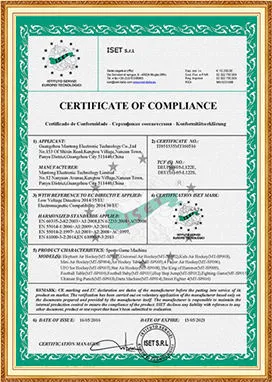
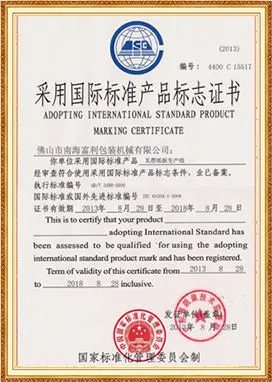
Certifications



FAQ
As one of the most professional pvc rubber gasket manufacturers in China, we're featured by quality products and good service. Please rest assured to wholesale pvc rubber gasket in stock here and get pricelist from our factory. For customization service, contact us now.
Adhesive Backed Pile Weatherstripping, plastic fin pile weather strip fin pile weather stripping, Door Rubber Gasket Strip