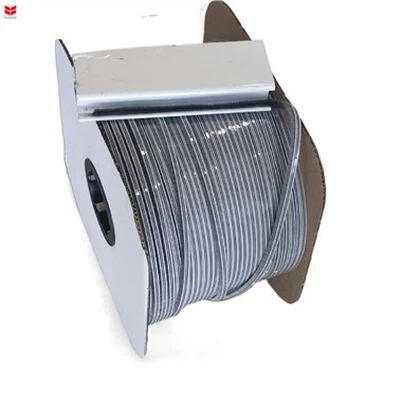
Quality Identification Method Of Door And Window Sealing Strip
Leave a message
1. Use your nose to smell if there is any peculiar smell. The normal PVC material will have a little mellow smell, which is almost invisible.
2. Wrap the sealing strip on the profile as tightly as possible, and place it under high temperature for a period of time (on the roof or in a sunny place). Check whether the contact surface between the surface of the profile and the sealing strip is stained and discolored, whether the dust on the surface of the sealing strip is yellow (it is easy to absorb soil if there is oil), seepage of oil, and whether the hands are dirty.
3. Some cheaper sealing strip fillers will have a lot of fillers, so the surface will not be very bright. Those that are cheap and not bright are not advisable.
4. Look at the specific gravity, how many meters can be produced per kilogram. There are many manufacturers who make a lot of use of fillers. In order to pursue greater output, (save a little electricity) they use talcum powder, heavy calcium and the like as fillers, which greatly increase the proportion of sealing strip products. (We Users generally buy by kilograms and use by length), which invisibly increases the cost and outweighs the gain. Stretch the sealing strip with heavy calcium back and forth by hand several times, and a small amount of white powder will appear on the surface.